
Heart Opening Yoga Sequence For More Energy
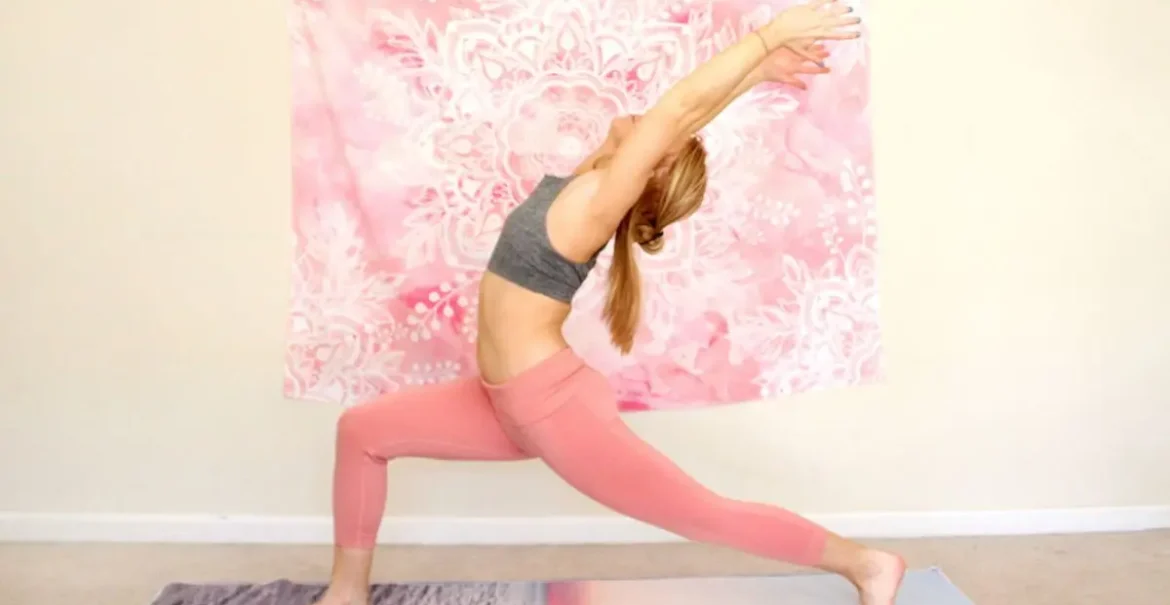
Yoga poses that open our chest and heart space stretch us into backbends that can feel unnatural at
How to Move Into Heart-Opening Poses Correctly to Avoid Tensing Up
First let’s talk about how to do them properly and why your body will love you for doing this sequence! I’ve gathered these insights from a yoga teacher or two.
One of the reasons heart opening poses usually feel uncomfortable at first is that opening your rib cage doesn’t happen immediately. The rib cage can only open and expand by taking calm, deep breaths, and patience.
The opposite is true of the breaths we take during a stress response. When we’re stressed, our body attempts to protect our heart with short, quick breaths OR by making you hold your breath. This can make for an uncomfortable yoga practice so make sure to practice deep breathing and really lean into the practice.
To sum it up: Move into chest openers at a slow pace with deliberate slow breaths to avoid activating a stress response and actually causing a tightening of the chest. If you notice you have to hold your breath during a heart opening sequence to do a certain posture correctly, reset, release tension as much as you can and try a more basic
Why Are Heart-Opening Yoga Poses Good for Us?
Backbends allow us to counter-stretch the hunched-back posture that we tend to move into while sitting down, especially if at a desk all day.
I start feeling sore in my back and shoulders anytime I’ve been sitting for a long time without back support and chest openers always help. For this reason alone, they’re awesome for helping us maintain good posture and help your back muscles and shoulder pain!
Heart opening poses also improve rib cage mobility, flush out toxins and stretch the thoracic soft tissues. Research has proven that spending more time in “power poses” which are essentially body postures where your body is open and relaxed, reduces stress, eases anxiety and increases confidence.
Also, opening the chest symbolizes opening up your heart to the world and being open and confident. You can read more about power poses in this Forbes article. Spending time in these poses subconsciously tells your body “You’ve got this!”
Energizing the Heart Chakra
The heart chakra at your heart center is one of the most important, as it generates love for yourself and others, compassion, empathy and overall emotional balance. When you move into heart opening yoga poses, it’s said that you are energizing your heart chakra which can lead to more feelings of love and empathy.
You may even want to pair these yoga poses with a loving-kindness meditation to make it double as effective.
Heart Opening Yoga Sequence
1. Upward Dog
How to do upward facing dog :
Lay down on your stomach and put your hands flat on the ground next to the middle of your abdomen. Keeping the tops of your feet on the ground, lift your chest slightly. Upward dog is generally an easy pose and great for yoga beginners, providing a deep stretch without too much skill involved.
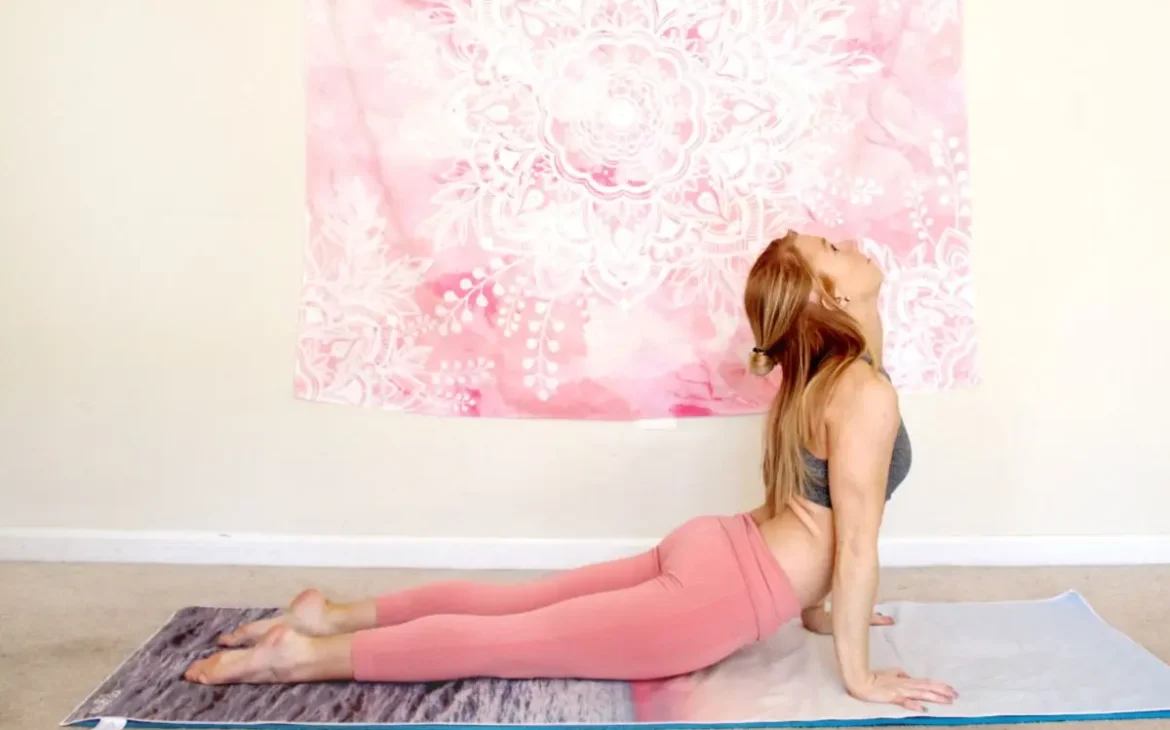
If you can without straining, straighten your arms and live your chest to the sky so that your back is arched and your shoulder blades are lifted up and back, keeping your hands next to your sides and your gaze forward or upward.
P.S. for more details on this and a few other poses included in this blog post including health benefits of each pose and tips, check out my Yoga for Beginners blog post!
2. Bow Pose
How to do bow pose :
Lay face down on the floor and kick your feet up toward the ceiling, bending at the knees. Flex your feet and reach your arms backward to grab your ankles. Lift your chest up so that your back is arched, chest is lifted, and legs are being lifted to the ceiling.
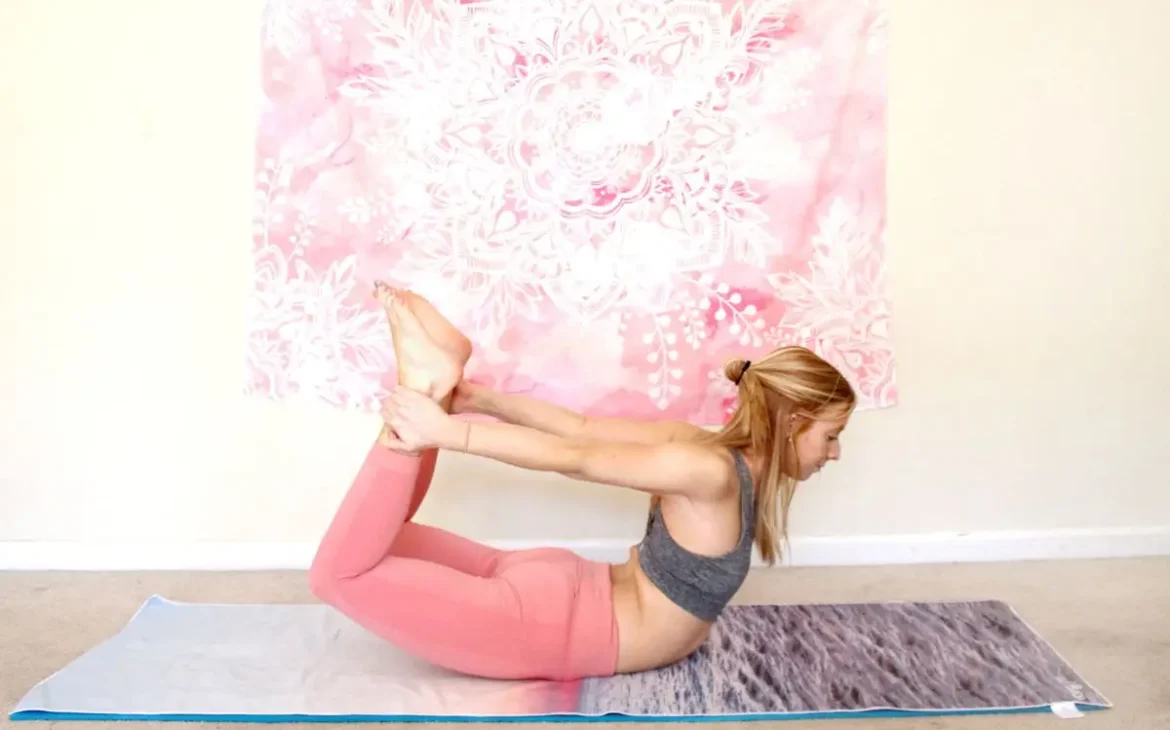
Bonus tip: If you have trouble with this pose right off the bat, try doing a few shoulder stretches and then coming back to it!
3. Crescent Lunge Pose with Chest Opener Variation
How to do crescent pose :
Standing up, step forward with your right foot facing it forward, then step your left foot backward and stay on your back toes.
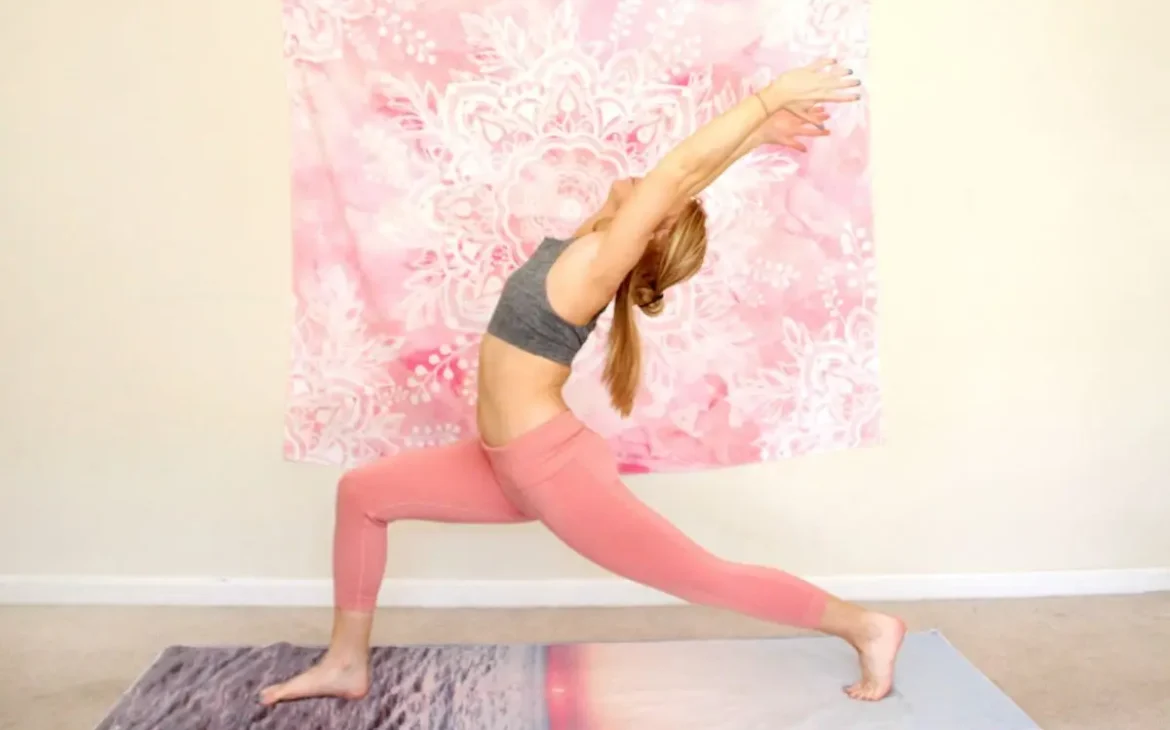
Lunge into your right leg and right knee creating a deep bend and lift your arms up to the ceiling. Lift your upper body, chest and your gaze up and backward slightly. You can lean backward into a deeper back arch if you’re able to!
Your should aim for your body to be in a straight line from the crown of your head to the back of your heel. while you hold this pose.
Once you’re done on the right side, do the same pose on the other side, which will be with your left leg forward. This is to assure your body stays in balance, and is always important to do in yoga!
4. Camel Pose
How to do camel pose :
Get down on your knees with your shins on the ground, keeping your chest facing forwards and arms by your side. Rest your hands on the back of your pelvis with your hands on the top of your butt and fingers facing downwards.
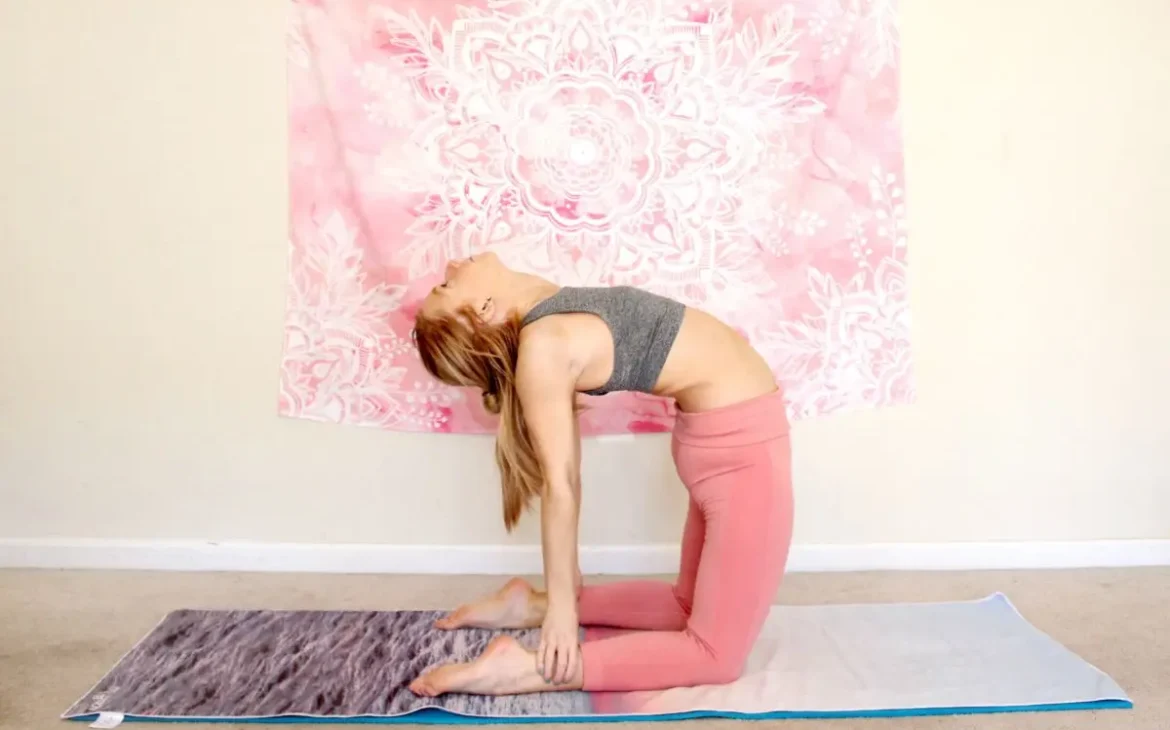
Start pressing your hips forwards and opening your chest, arching your back and moving the crown of the head up and back, toward the back of the room. If you’re able to, reach your arms back towards your calves and grab them for support, arching your back and opening your chest.
This one can be tough and cause some dizziness. It did for me for years! To counter that feeling, relax into child’s pose for a bit afterwards.
5. Bridge or Wheel Pose
Bridge pose is a stepping stone to wheel pose. If you’ve already conquered bridge pose or are naturally flexible in your back, go for wheel pose! If you’re a beginner yogi start with bridge and build up to wheel, as wheel is one of the yoga poses that include deep backbends.
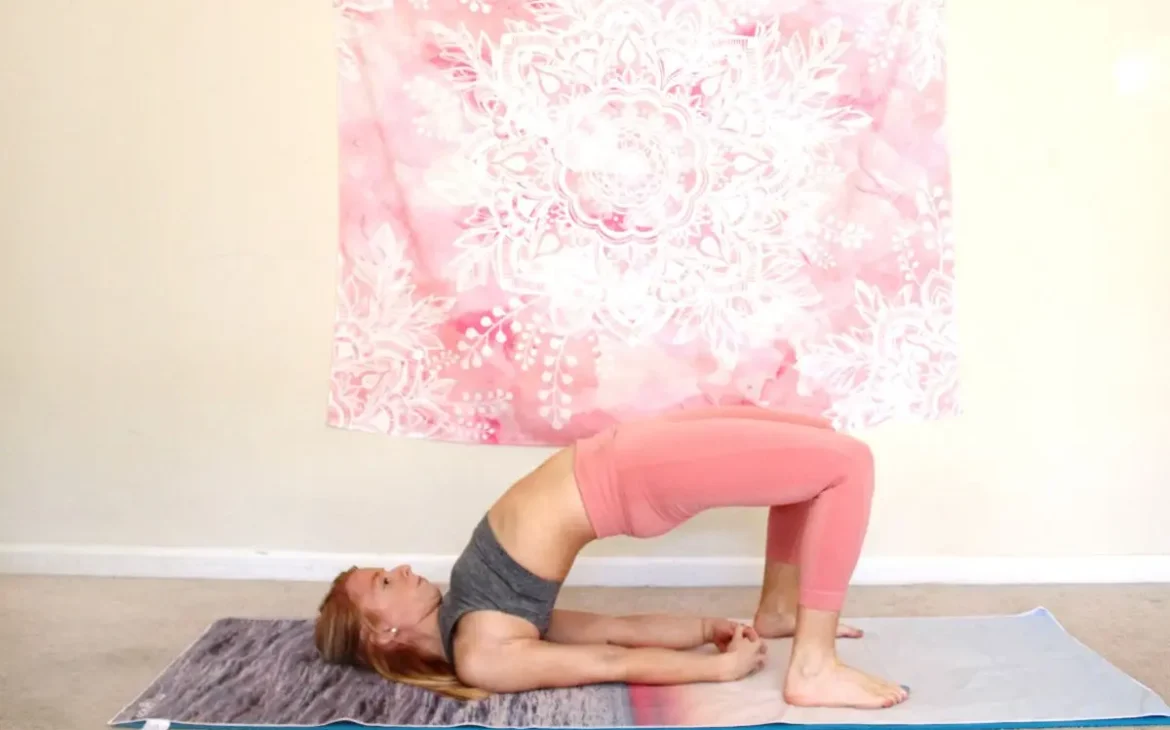
This is one of the most gentle poses on this list, and bridge pose particularly is great for both lower and upper back pain, glutes and hamstrings.
How to do bridge pose :
Lay down on your back and lift your knees up while placing the soles of your feet flat on the floor hip-width distance apart. Place your arms down by your sides, pressing your hands and arms into the ground. Lift your hips up towards the sky, creating an arch in your lower back. Check out my Beginner Yoga blog post for more details on this pose!
How to do wheel pose :
Lay down with your back to the floor and your legs bent with feet flat on the ground hip width distance apart. Reach your hands backward and place them on the ground next to your ears with your fingertips facing your feet.
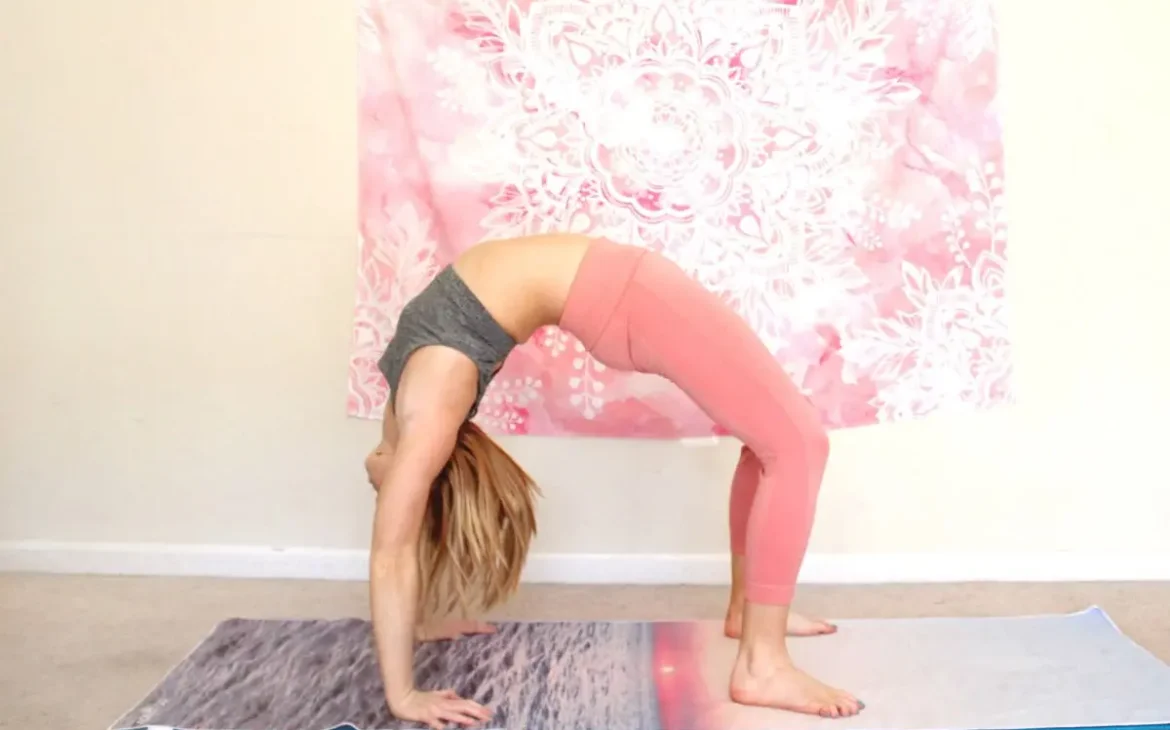
When you’re ready, press into your palms and your feet straightening your arms and lifting your hips off the ground and toward the ceiling. Keep your wrists facing your feet and work to get your legs as straight as possible.
For Advanced Yogis!
Once you’ve progressed through your yoga practice and have mastered the more basic chest openers, including how to move into them properly to avoid injury, learning more advanced backbends is the next step!
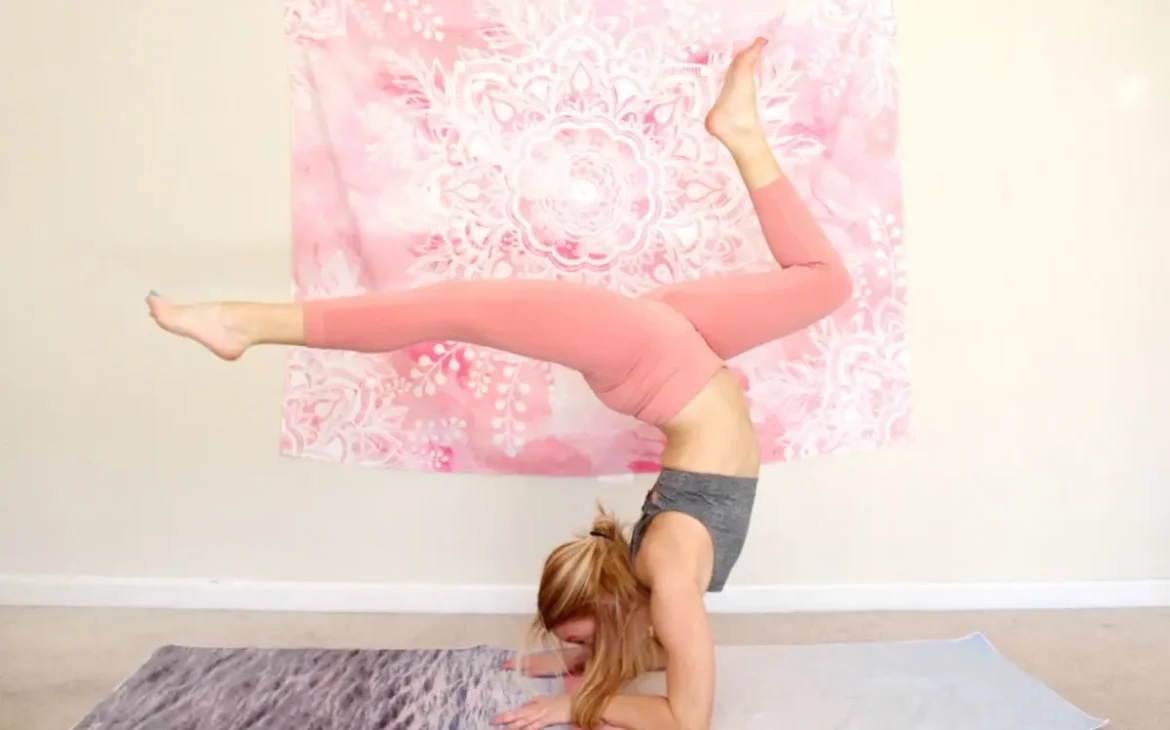
Headstand + handstand with backbend variations
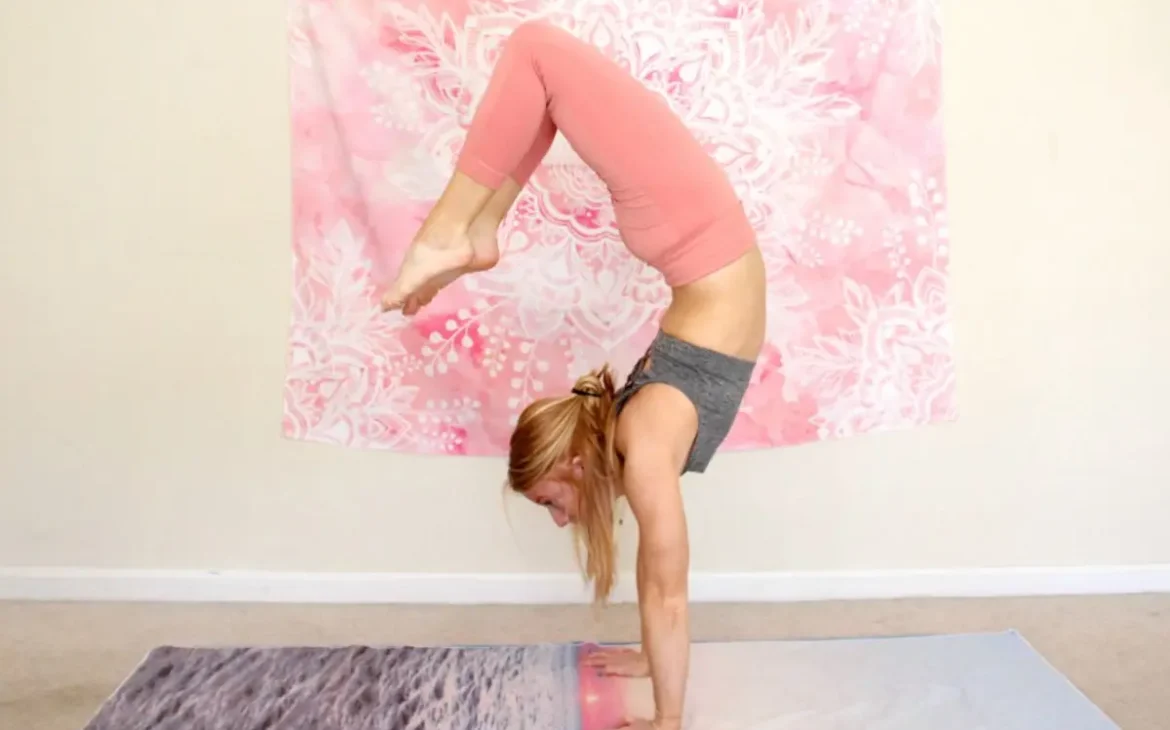
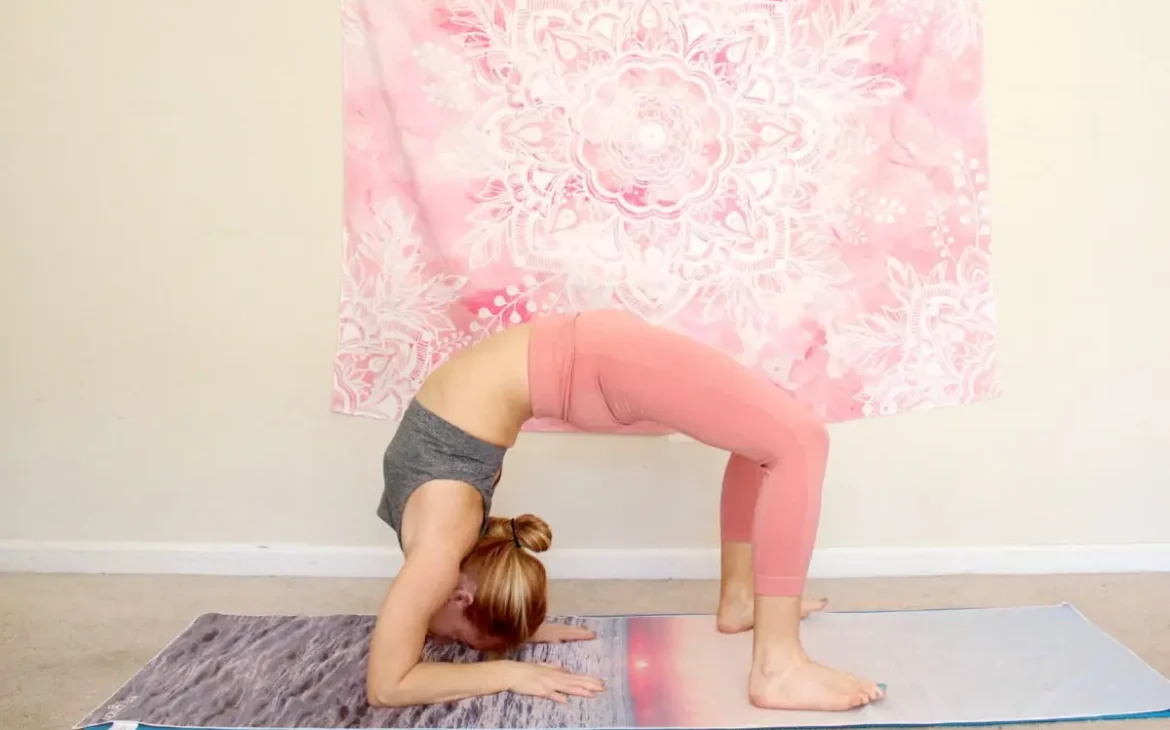
One of my new favorite backbends is the forearm wheel variation. This deep chest opener is a good one to strive toward because it gives you lots of leverage when working back flexibility, once you can do it safely.
Feel free to leave a comment and share any tips you have for chest openers or backbends. I’d love to hear from you!
Lauren Kessel is the author and owner of the Inspired Self Discovery blog. She is passionate about supporting personal growth and transformation in her life and others through yoga, mindfulness, spirituality and personal development. Lauren has been writing for over fifteen years, practicing yoga for even longer, and has always had an interest in inner work.
No Comments